

Why are Vitamins Important?

Why are Vitamins Important?
Living a healthy lifestyle means staying in tune with your body and listening to what it tells you. When it comes to food, you do your best to get all the right nutrients to help support energy release.15 Food supplements are there to support the nutrients you get from food and bring you one step closer to your health and wellness goals (e.g immune support)1
The Top 3 Reasons to Take Vitamins

Keep Our Bodies in Good Working Order
Vitamins work hard to keep our bodies functioning properly and they help support essential processes needed in our everyday lives. Each nutrient is on a mission to deliver health benefits that help you reach your wellness goals.1

Protecting Cells
Nutrients, like antioxidants such as vitamin C, vitamin E, selenium and zinc help to protect cells from oxidative stress.

Support Your Nutritional Bases
A multivitamin supplement can help support your daily intake of essential vitamins and minerals, alongside a balanced diet and healthy lifestyle.
What Can Vitamins Do for You?
Support Immunity
Good nutrition help to support the normal function of the immune system. Your immune system is supported by what you put into your body, and certain nutrients are known for their immune-supporting benefits.
Nutrients such as Vitamin C, Vitamin D and Zinc can help contribute to the normal function of the immune system.ii


Support a Healthy Metabolism
Vitamins such as Biotin collaborate with other enzymes in your body to support the metabolism of protein, fats, and carbohydrates. Staying physically active and eating a healthy diet also help to maintain a healthy metabolism—factors that are important in supporting your overall health.iii
Support the Maintenance of Strong Bones
You probably already know that calcium is critical for normal healthy bones. But did you know that vitamin D contributes to normal adsorption of calcium and phosphorus and so also supports normal bone strength.
The skin produces vitamin D following direct exposure to sunlight, weak winter sunlight, and poor skin absorption all work against production of this vital nutrient.

Helping to Meet Your Nutritional Needs
Committing to a new eating habit or lifestyle can feel rewarding. Multivitamin
supplements can help to support your nutritional needs. Read on to see which
nutrients get weeded out of some of the most popular diets.
While the Paleolithic (Paleo) diet eliminates a lot of refined and processed foods—leading culprits of poor health in Western diets-the exclusion of whole grains and dairy may result in shortfalls of calcium, vitamin DB12 and B6. Within the Paleo diet, you can consume Broccoli, which is high in Calcium and B6, and Mushrooms, which are high in Vitamin D and B12. You can further support this diet with multivitamins like Centrum Advance, Centrum Men and Centrum Women which contain nutrients such as Calcium and Vitamin D, which can help you maintain normal healthy bones5 and B12 and B6, which assist in the release of energy8
Multivitamins are intended to supplement your diet and should not be regarded as a substitute for a varied diet and healthy lifestyle.
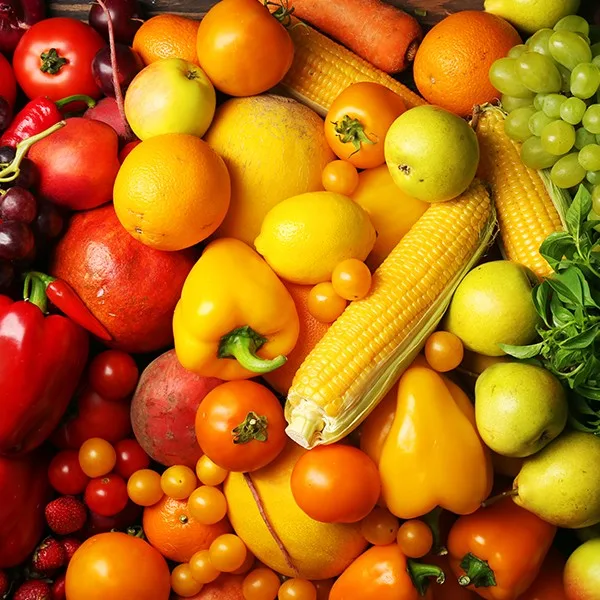
The keto (ketogenic) diet is popular thanks to its high protein, high fat, and minimal carbohydrate strategy that helps with weight loss. But due to the carbohydrate restrictions, keto eliminates a lot of fruit from your diet. Also its reduction of grains means you miss out on fortified products that contain thiamine, folate and magnesiumvi
Within the keto diet, you can consume Flaxseeds, which are high in thiamine, Eggs, which are high in folate and Almonds, which are high in magnesium. You can further support this diet with multivitamins like Centrum Advance, Centrum Men and Centrum Women which contain thiamine, to support normal heart function14, folate, to support normal blood formation2 and magnesium, which contributes to normal muscle function3 Multivitamins are intended to supplement your diet should not be regarded as a substitute for a varied diet and healthy lifestyle.
While there are lots of great vegetarian options, you can still miss some of the nutrients commonly found in meat and poultry, like vitamin B12 and iron. And if you're eliminating fish, your diet could be short on omega-3 fatty acidsvii
Within a vegetarian diet you can consume spinach which contains iron as well as lentils which contain vitamin B12. You can further support your diet with multivitamins like Centrum Advance, Centrum Men and Centrum Women which contain vitamin B128 which can help release energy from food as well as iron2 which support the regular formation of red blood cells.Multivitamins are intended to supplement your diet should not be regarded as a substitute for a varied diet and healthy lifestyle.
More people are choosing to eliminate animal products from their diets altogether. While plant-based diets are rich in fruits and vegetables, they remove some of the best sources of iron and vitamin B12. Plus, without dairy, there are fewer available sources of calcium and vitamin Dviii
Within a Vegan diet you can consume leeks which contain iron, beetroot which contains B12 and mushrooms which contain vitamin D. A multivitamin like Centrum Advance, Centrum Men and Centrum Women is high in Iron2 which helps the regular formation of red blood cells, vitamin B128 which helps release energy from food and vitamin D1 which helps to support the normal function of the immune system. Multivitamins are intended to supplement your diet should not be regarded as a substitute for a varied diet and healthy lifestyle.
What might it look like if we followed our nutrient reference value (NRV) for some of these nutrients?

10 mg Zinc
=
2 Oysters
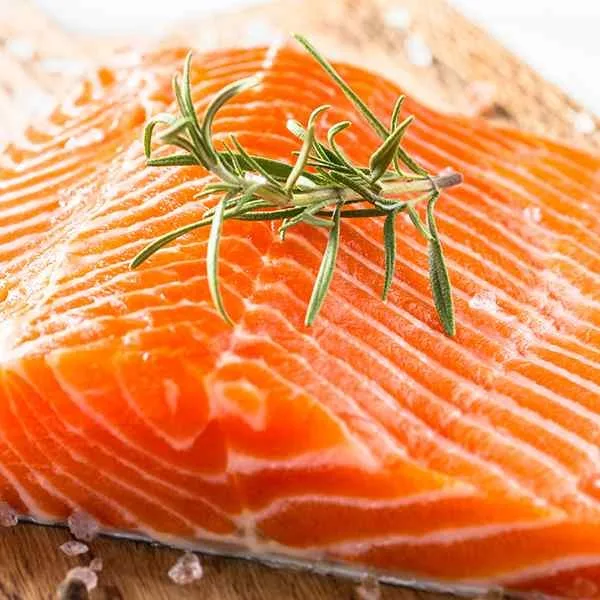
5 µg of Vitamin D
=
¼ Can of Pink Salmon
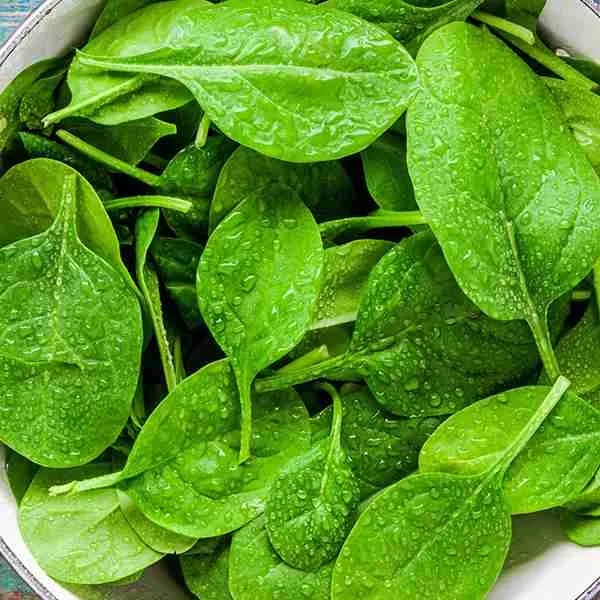
75 µg of Vitamin K
=
3 Leaves of Spinach

55 µg of Selenium
=
½ Fillet of Halibut
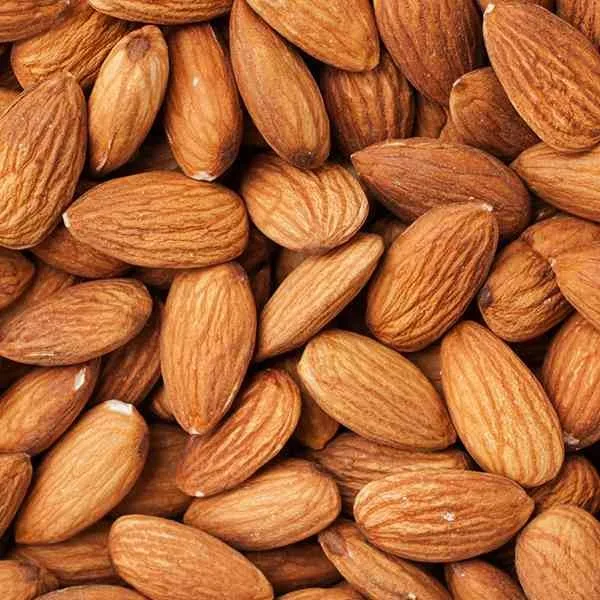
375 mg of Magnesium
=
1 Cup of Almonds

80 mg Vitamin C
=
1 Orange
1.4 mg of Vitamin B6
=
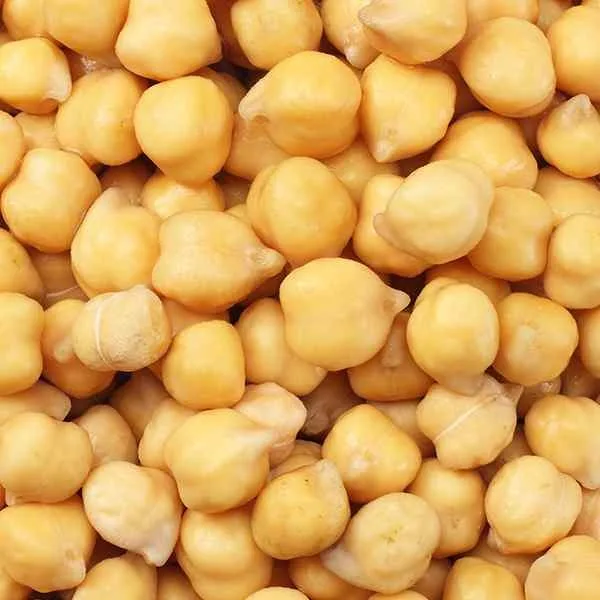
1 Cup of Chickpeas

2.5 mcg of Vitamin B12^
=
1.5 Cups of Non-fat Greek Yogurt



Multivitamins are intended to supplement your diet and should not be regarded as a substitute for a varied diet and a healthy lifestyle.
Contains vitamin D which contributes to the normal function of the immune system
Contains Iron which contributes to normal formation of red blood cells and haemoglobin
Contains Calcium, Magnesium and Vitamin D which contributes to normal muscle function
Contains Vitamin B6 to help regulate hormonal activity
Contains Calcium, Vitamin D and Vitamin K to help maintain normal strong bones
Contains Vitamin D needed for normal growth and development of bones in children
Vitamin C, Vitamin E, Selenium and Zinc all contribute to the protection of cells from oxidative stress
Contains vitamin B6 and B12 to help release energy from food and contribute to overall health
Contains vitamin D, C and zinc each contributes to the normal function of the immune system
Biotin and zinc contribute to the normal metabolism of fats, protein and carbohydrates
Biotin and zinc help to maintain normal hair and skin. Selenium helps to support normal nails.
Pantothenic Acid contributes to normal mental performance.
Vitamin A and riboflavin contribute to the maintenance of normal vision
Vitamin B1 (Thiamine) to support normal heart function
Vitamin B12 which contributes to the reduction of tiredness and fatigue
Iron contributes to normal cognitive function.
Contains ginseng to support physical performance for active lifestyles.
The profiling is only for the recommendation of suitable products. No data is stored.
†Based on worldwide value sales of the Centrum range. For verification please contact mystory.gb@haleon.com
i.Vitamins and Minerals: Overview. NHS.UK. Accessed https://www.nhs.uk/conditions/vitamins-and-minerals/
ii. Maggini, S., et al. “A Combination of High-Dose Vitamin C plus Zinc for the Common Cold.” Journal of International Medical Research, vol. 40, no. 1, Feb. 2012, pp. 28–42. DOI.org (Crossref), doi:10.1177/147323001204000104.
iii. Kennedy, David O. “B Vitamins and the Brain: Mechanisms, Dose and Efficacy—A Review.” Nutrients, vol. 8, no. 2, Jan. 2016. PubMed Central, doi:10.3390/nu8020068.
iv Vitamins and Minerals: Vitamin D. NHS.UK https://www.nhs.uk/conditions/vitamins-and-minerals/vitamin-d/ . Accessed 18 March. 2021.
v “Diet Review: Paleo Diet for Weight Loss.” The Nutrition Source, Harvard T.H. Chan School of Public Health, 18 March 2021, https://www.hsph.harvard.edu/nutritionsource/healthy-weight/diet-reviews/paleo-diet/
vi. The best keto supplement – revealed. Holland & Barrett, https://www.hollandandbarrett.com/the-health-hub/food-drink/diets/keto-diet/the-best-keto-supplements/. Accessed 18 March. 2021.
vii “The vegetarian diet.” NHS.UK, 1 August 2018, https://www.nhs.uk/live-well/eat-well/the-vegetarian-diet/ Accessed 17 March. 2021.
viii “Vegetarian and Vegan Diets Q&A.” NHS.UK, 27 Apr. 2018, https://www.nhs.uk/live-well/eat-well/vegetarian-and-vegan-diets-q-and-a/